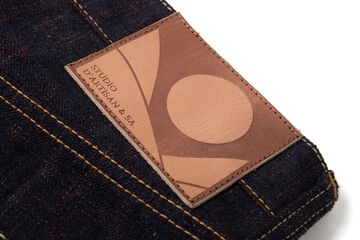
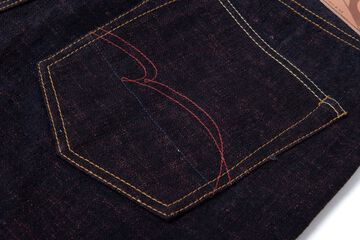
Studio D'Artisan

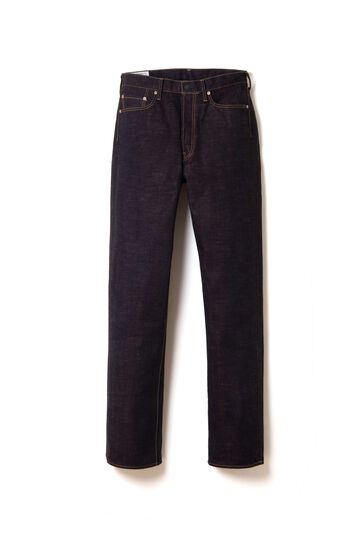
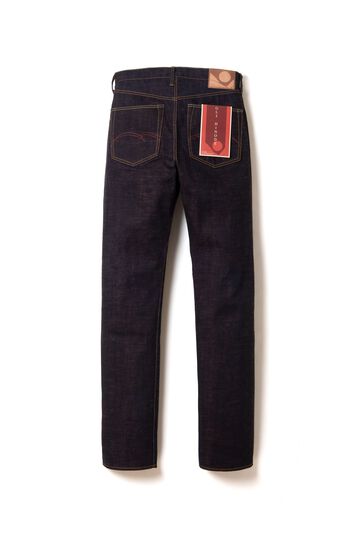
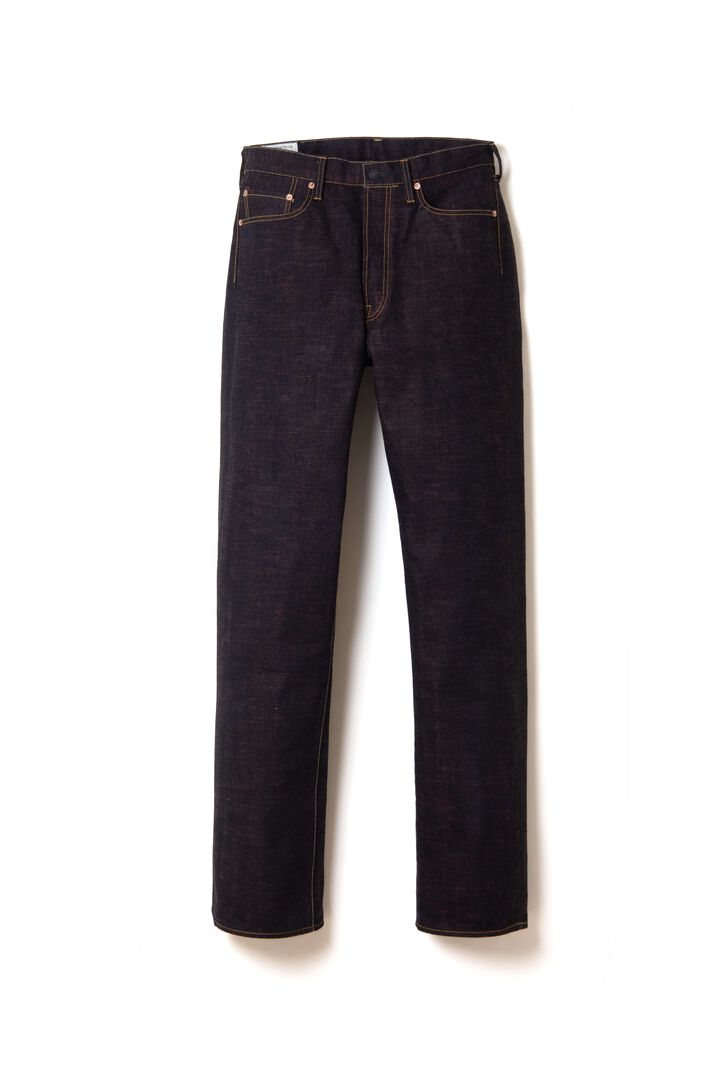
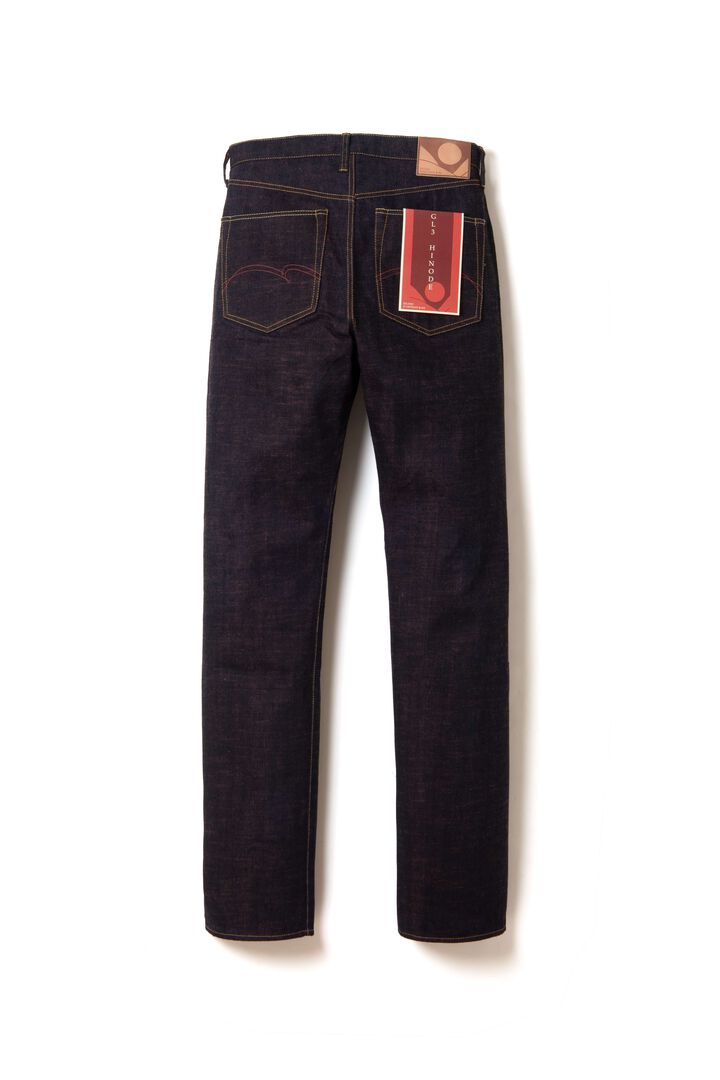
【Pre-Order】D1927 15oz GL3 HINODE Jeans Regular Straight

新款
庫存緊張
沒有庫存
¥ 1,784.80
尺碼參照表
請選擇產品選項
SKU#D1927-OW-33

Pre-Order : Until April 4, 2026

*Delivery date January 2027*

Please note that the delivery time may vary depending on the circumstances of each brand and factory production. Thank you for your understanding.


Note: Pre-order items ship at a later date. Combining them with in-stock items may delay delivery, so we recommend placing separate orders for pre-order and regular items.

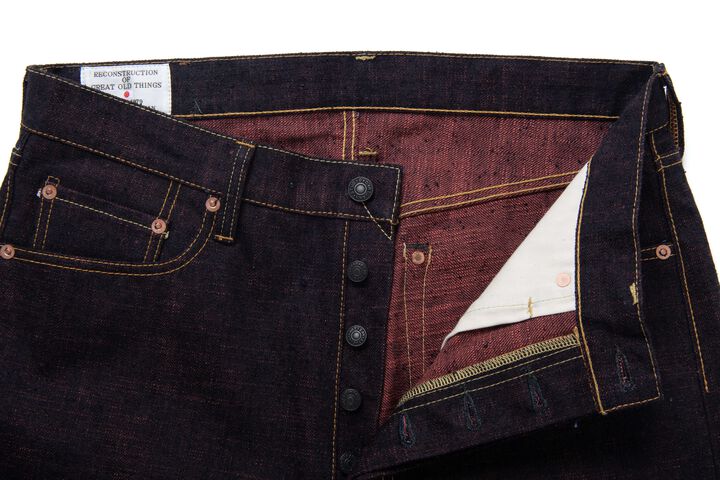
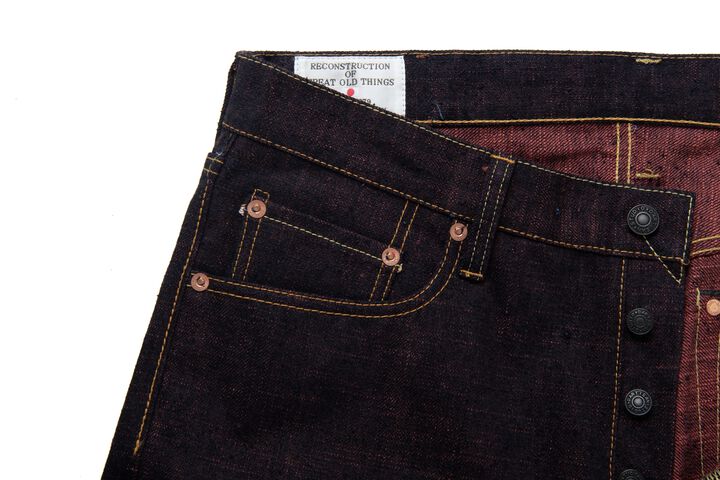
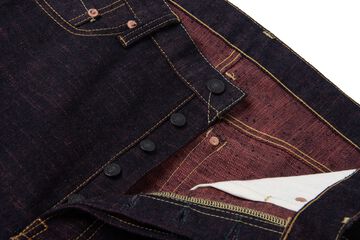
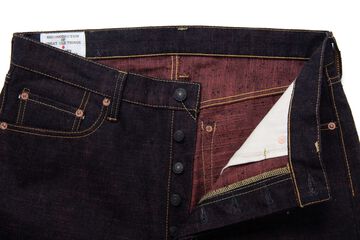
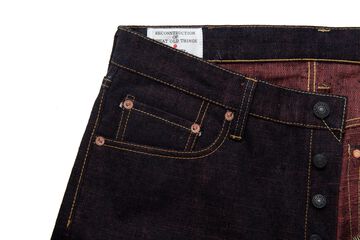
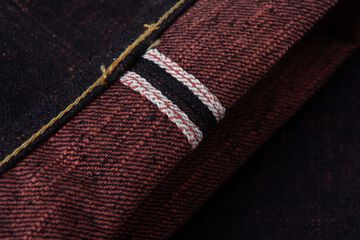
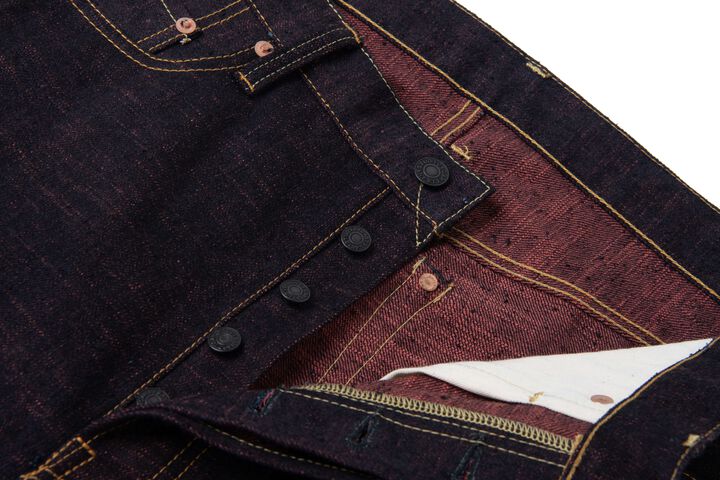
These are HINODE jeans dyed using plant-based akane dye.

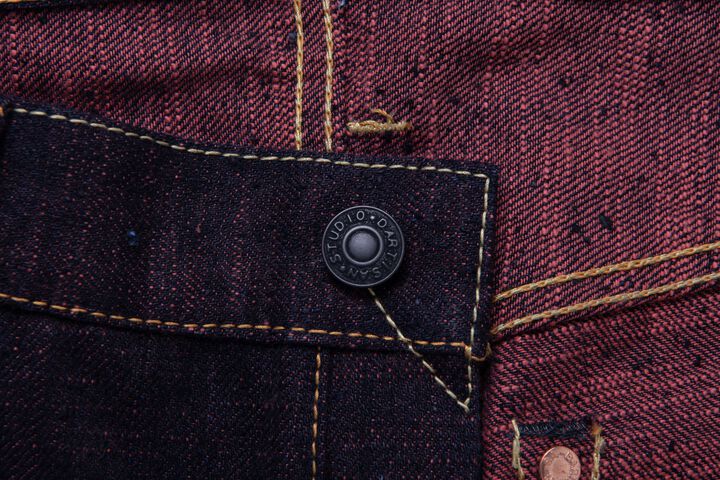
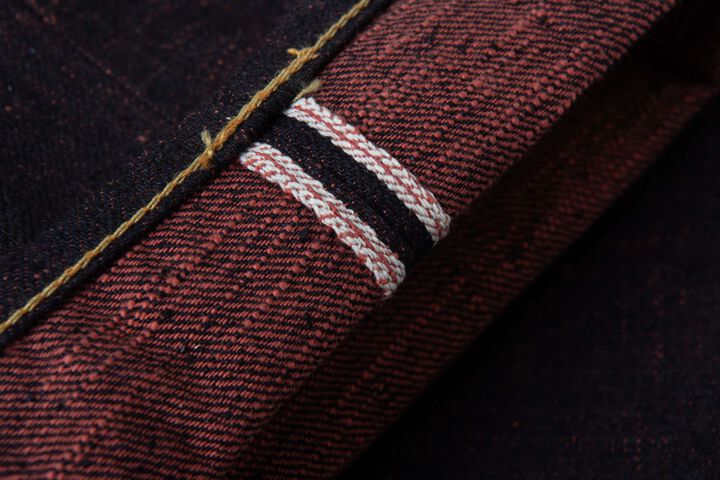
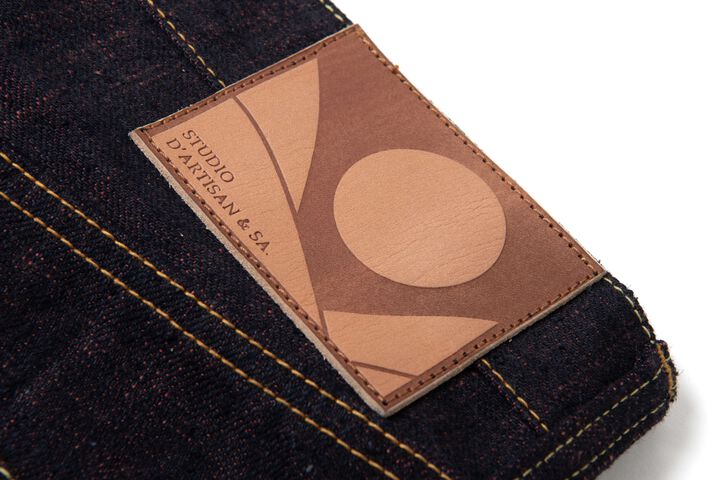
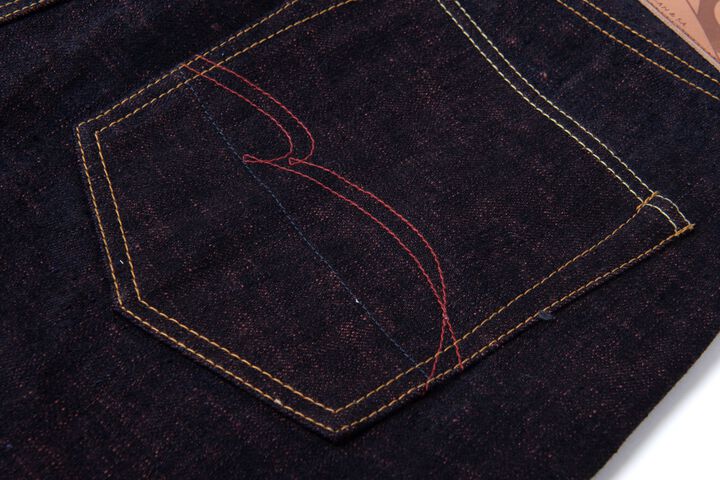
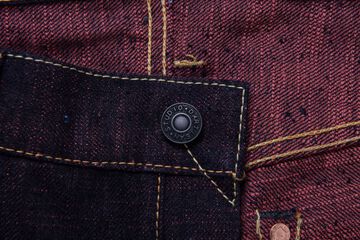
Akane is said to be one of the oldest red dyes. The reddish indigo tone created by combining the indigo warp yarn and akane weft yarn is called “Futaai,” a traditional Japanese color that has been used in aristocratic garments since the Heian period. This denim fabric is woven on a Toyota automatic loom “GL3” made half a century ago. Denim woven on the GL3 carries the ruggedness and raw texture of denim from 50 years ago, making it a truly one-of-a-kind loom capable of expressing an authentic workwear feel.


HINODE DENIM


About 160 years ago, at the end of the Edo period—when Japan opened its borders and entered a time of great change—a unified flag for Japanese ships was established.

That flag, dyed red with a hint of vermilion on a white background, was the origin of the “Hinomaru.”

Later, as the era shifted to Meiji, the new government officially designated the Hinomaru as the national flag, positioning it as a symbol of Japan.

It is said that the red of the Hinomaru at that time was dyed using akane, a plant-based dye.

Akane, along with indigo, has been used as a dye since ancient times across the world, and in Japan its history is also very old.

Records state that Queen Himiko presented textiles dyed with akane, and during the time of Prince Shotoku, it was regarded as a prestigious color permitted only for the nobility.

Studio D'Artisan has created “HINODE DENIM” using plant-based dyeing with akane.

By combining the deep indigo of the warp yarn with the rich akane color of the weft yarn, a unique reddish indigo tone is achieved.

This intermediate color created by the two dyes has long been known in Japan as a traditional color called “Futaai.”

In the Heian period, Futaai was a so-called “forbidden color,” permitted only for the aristocracy.

This denim, born from traditional Japanese plant dyeing and the layering of warp and weft colors, embodies softness, depth, and elegance—truly “the color of Japan.”
我們很榮幸能在全球範圍內對於超過1000HK$的訂單提供免郵服務。

我們使用世界級的快遞公司如EMS, FedEx和DHL來運送產品。

我們努力在收到訂單後2 - 3個工作日內從倉庫發貨,通常訂單到達大多數東亞國家和北美需要2 - 3天,世界其他地區需要4 - 7天。

一旦商品離開我們的店面或倉庫,產生的費用,例如关税,應屬於顧客支付。每個國家海關政策不同,顧客是唯一的商品負責人。也因為你是商品的負責人,所以在結帳時,你可以選擇你的郵遞文件。更改郵遞文件是個人的選擇,所以你需要為你提供的任何資訊承擔全部責任。

These are HINODE jeans dyed using plant-based akane dye.

Akane is said to be one of the oldest red dyes. The reddish indigo tone created by combining the indigo warp yarn and akane weft yarn is called “Futaai,” a traditional Japanese color that has been used in aristocratic garments since the Heian period. This denim fabric is woven on a Toyota automatic loom “GL3” made half a century ago. Denim woven on the GL3 carries the ruggedness and raw texture of denim from 50 years ago, making it a truly one-of-a-kind loom capable of expressing an authentic workwear feel.


HINODE DENIM


About 160 years ago, at the end of the Edo period—when Japan opened its borders and entered a time of great change—a unified flag for Japanese ships was established.

That flag, dyed red with a hint of vermilion on a white background, was the origin of the “Hinomaru.”

Later, as the era shifted to Meiji, the new government officially designated the Hinomaru as the national flag, positioning it as a symbol of Japan.

It is said that the red of the Hinomaru at that time was dyed using akane, a plant-based dye.

Akane, along with indigo, has been used as a dye since ancient times across the world, and in Japan its history is also very old.

Records state that Queen Himiko presented textiles dyed with akane, and during the time of Prince Shotoku, it was regarded as a prestigious color permitted only for the nobility.

Studio D'Artisan has created “HINODE DENIM” using plant-based dyeing with akane.

By combining the deep indigo of the warp yarn with the rich akane color of the weft yarn, a unique reddish indigo tone is achieved.

This intermediate color created by the two dyes has long been known in Japan as a traditional color called “Futaai.”

In the Heian period, Futaai was a so-called “forbidden color,” permitted only for the aristocracy.

This denim, born from traditional Japanese plant dyeing and the layering of warp and weft colors, embodies softness, depth, and elegance—truly “the color of Japan.”
我們很榮幸能在全球範圍內對於超過1000HK$的訂單提供免郵服務。

我們使用世界級的快遞公司如EMS, FedEx和DHL來運送產品。

我們努力在收到訂單後2 - 3個工作日內從倉庫發貨,通常訂單到達大多數東亞國家和北美需要2 - 3天,世界其他地區需要4 - 7天。

一旦商品離開我們的店面或倉庫,產生的費用,例如关税,應屬於顧客支付。每個國家海關政策不同,顧客是唯一的商品負責人。也因為你是商品的負責人,所以在結帳時,你可以選擇你的郵遞文件。更改郵遞文件是個人的選擇,所以你需要為你提供的任何資訊承擔全部責任。