Studio D'Artisan

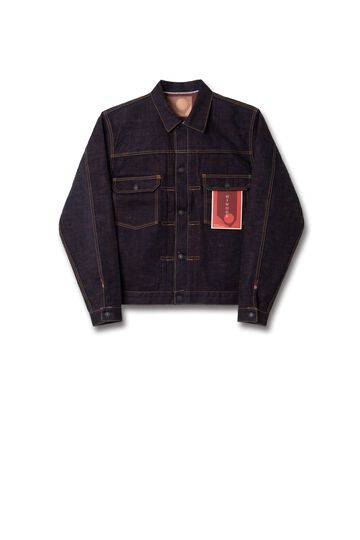
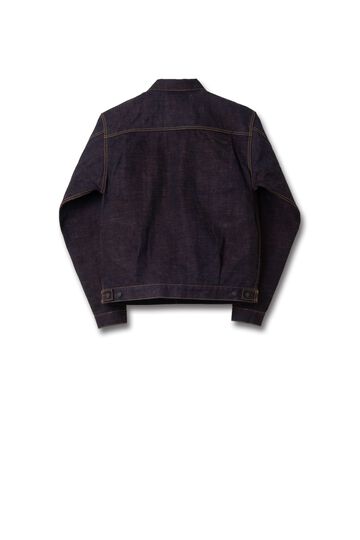
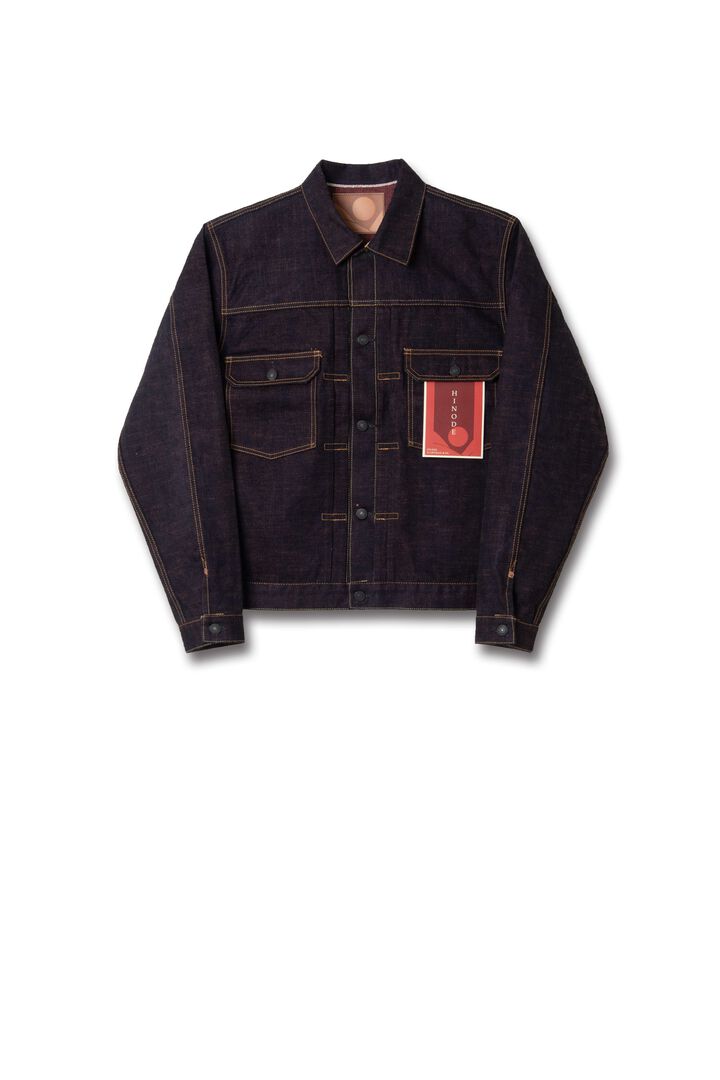
【Pre-Order】D4648 15oz GL3 HINODE Denim Jacket

Nuovo
Disponibilità limitate
Esaurito
CHF 256.00
Tabella Taglie
Selezionare le opzioni del prodotto
SKU#D4648-OW-40

Pre-Order : Until April 4, 2026

*Delivery date January 2027*

Please note that the delivery time may vary depending on the circumstances of each brand and factory production. Thank you for your understanding.


Note: Pre-order items ship at a later date. Combining them with in-stock items may delay delivery, so we recommend placing separate orders for pre-order and regular items.

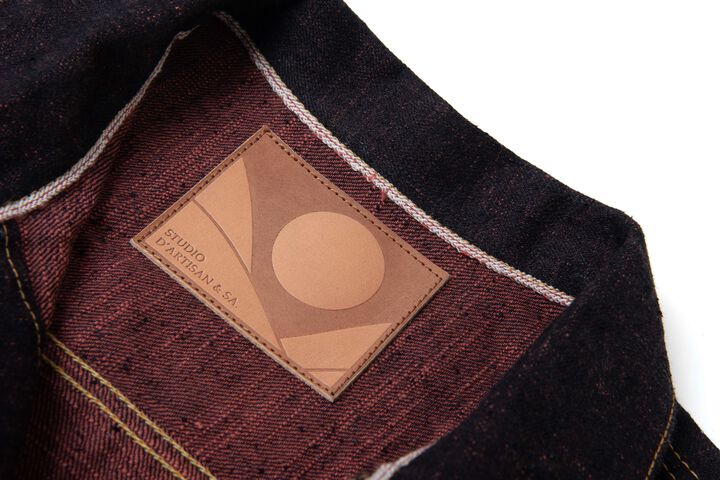
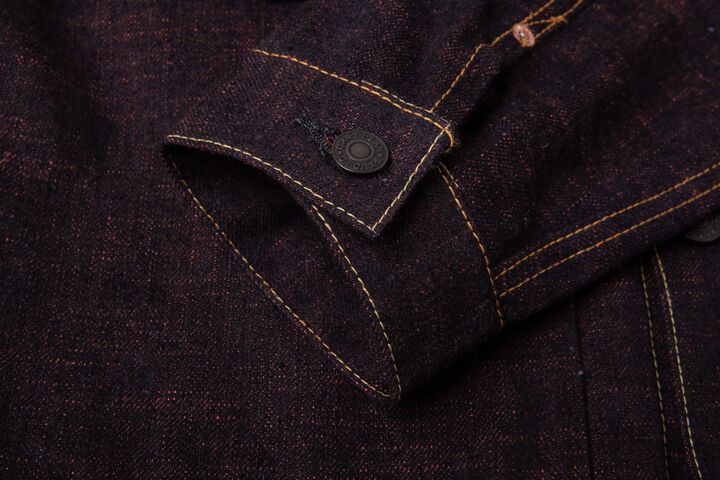
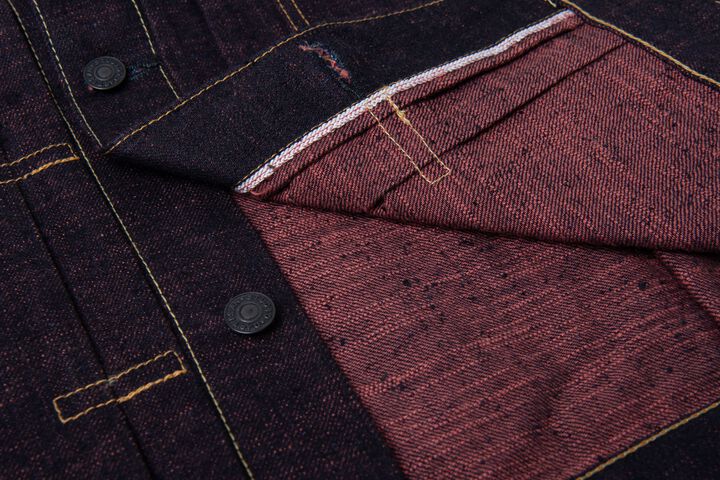
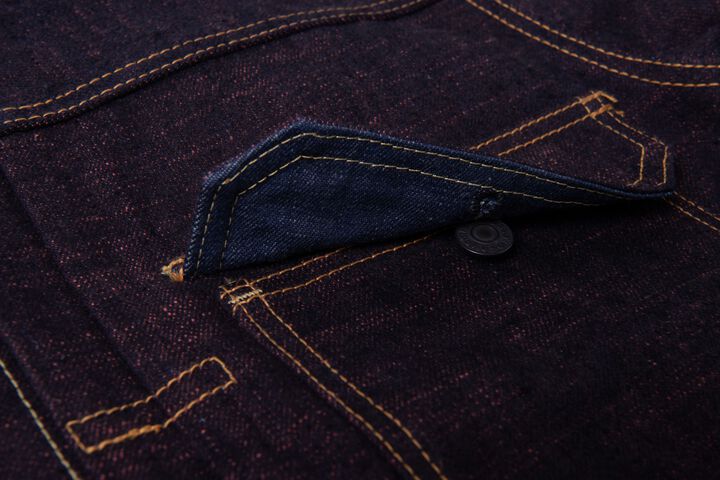
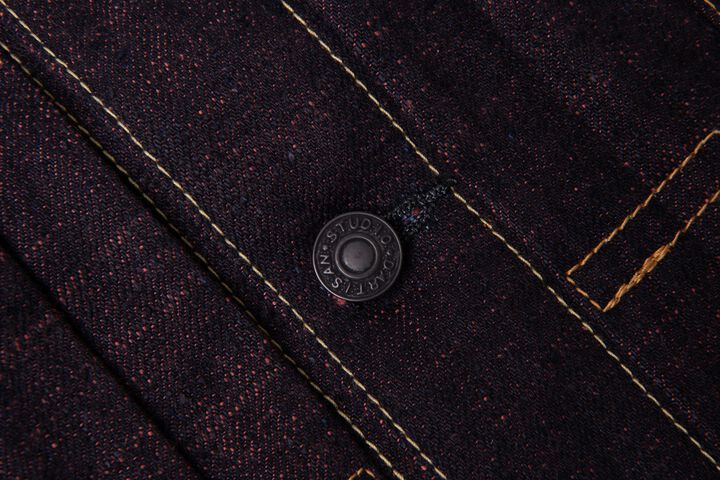
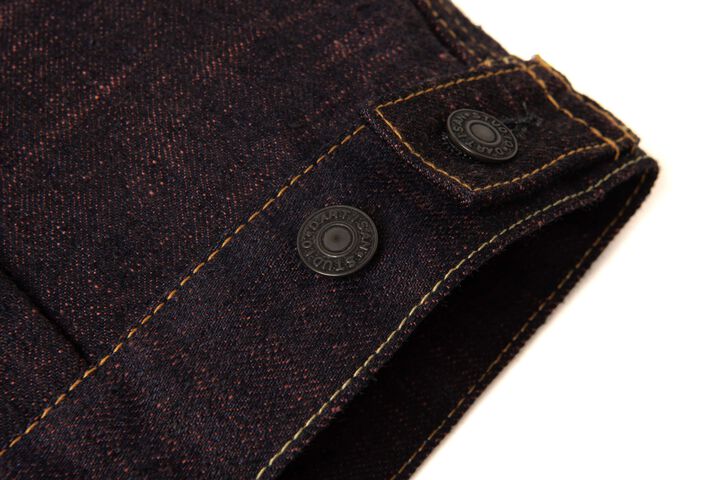
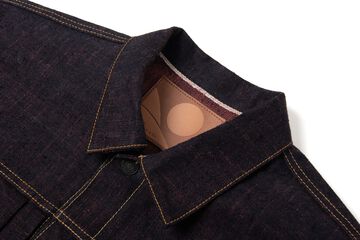
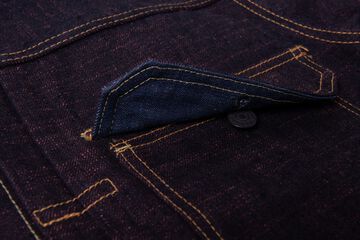
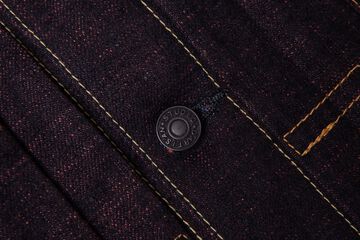
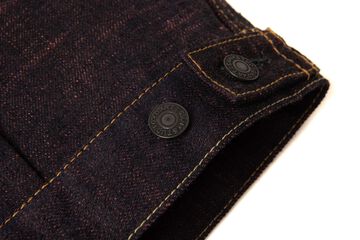
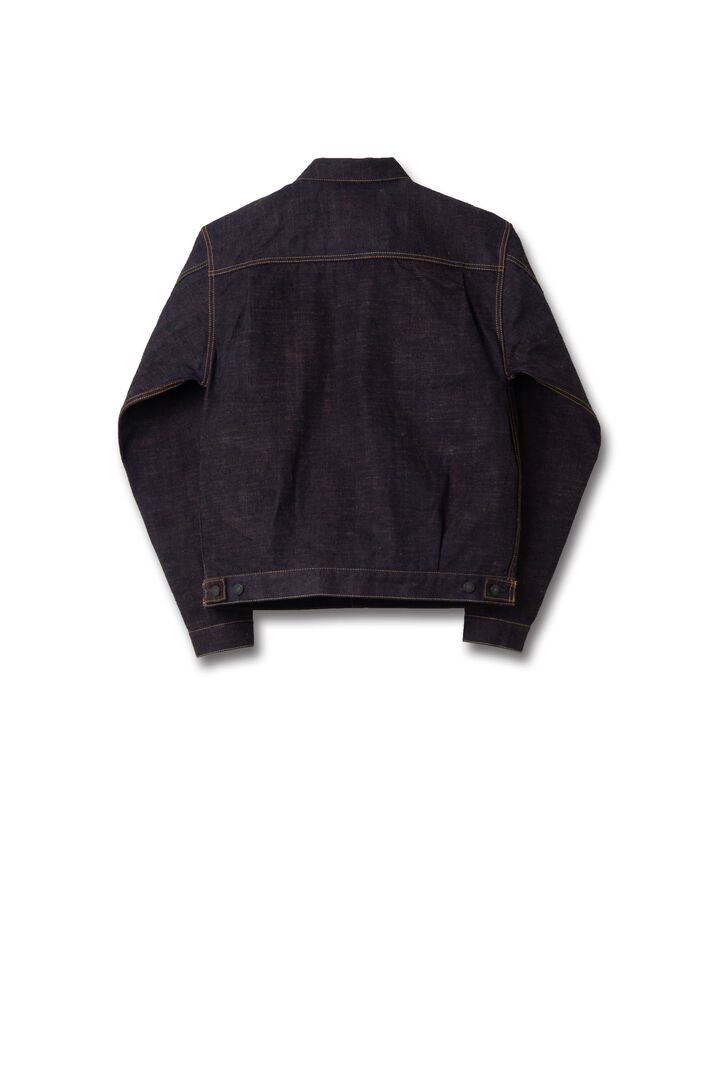
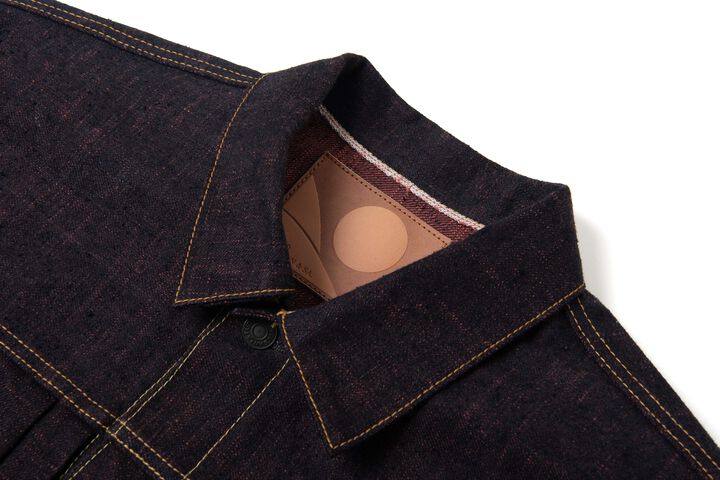
This is a 2nd type denim jacket dyed using plant-based akane dye.

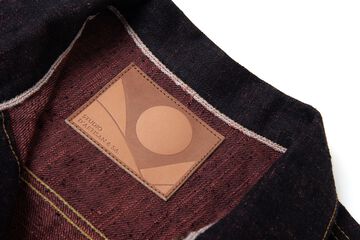
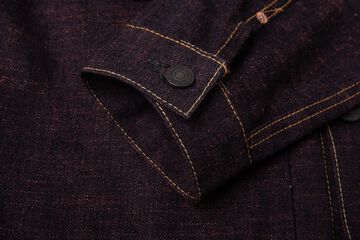
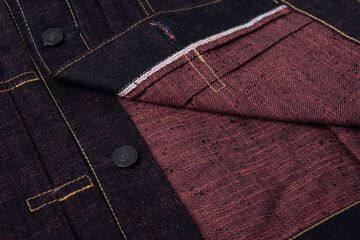
Akane is said to be one of the oldest red dyes. The reddish indigo tone created by combining the indigo warp yarn and akane weft yarn is called “Futaai,” a traditional Japanese color that has been used in aristocratic garments since the Heian period. This denim fabric is woven on a Toyota automatic loom “GL3” made half a century ago. Denim woven on the GL3 carries the ruggedness and raw texture of denim from 50 years ago, making it a truly one-of-a-kind loom capable of expressing an authentic workwear feel.


HINODE DENIM


About 160 years ago, at the end of the Edo period—when Japan opened its borders and entered a time of great change—a unified flag for Japanese ships was established.

That flag, dyed red with a hint of vermilion on a white background, was the origin of the “Hinomaru.”

Later, as the era shifted to Meiji, the new government officially designated the Hinomaru as the national flag, positioning it as a symbol of Japan.

It is said that the red of the Hinomaru at that time was dyed using akane, a plant-based dye.

Akane, along with indigo, has been used as a dye since ancient times across the world, and in Japan its history is also very old.

Records state that Queen Himiko presented textiles dyed with akane, and during the time of Prince Shotoku, it was regarded as a prestigious color permitted only for the nobility.

Studio D'Artisan has created “HINODE DENIM” using plant-based dyeing with akane.

By combining the deep indigo of the warp yarn with the rich akane color of the weft yarn, a unique reddish indigo tone is achieved.

This intermediate color created by the two dyes has long been known in Japan as a traditional color called “Futaai.”

In the Heian period, Futaai was a so-called “forbidden color,” permitted only for the aristocracy.

This denim, born from traditional Japanese plant dyeing and the layering of warp and weft colors, embodies softness, depth, and elegance—truly “the color of Japan.”
Siamo orgogliosi di offrire spedizioni gratuite in tutto il mondo per ordini superiori a €125.

Ci affidiamo a corrieri di classe mondiale come EMS, FedEx e DHL per spedire i prodotti.

Ci impegniamo a spedire dal nostro magazzino entro 2 o 3 giorni lavorativi dalla ricezione dell'ordine e normalmente un ordine impiega 2 - 3 giorni per raggiungere la maggior parte dei paesi dell'Asia orientale e del Nord America e 4 -7 giorni per altre parti del mondo.

This is a 2nd type denim jacket dyed using plant-based akane dye.

Akane is said to be one of the oldest red dyes. The reddish indigo tone created by combining the indigo warp yarn and akane weft yarn is called “Futaai,” a traditional Japanese color that has been used in aristocratic garments since the Heian period. This denim fabric is woven on a Toyota automatic loom “GL3” made half a century ago. Denim woven on the GL3 carries the ruggedness and raw texture of denim from 50 years ago, making it a truly one-of-a-kind loom capable of expressing an authentic workwear feel.


HINODE DENIM


About 160 years ago, at the end of the Edo period—when Japan opened its borders and entered a time of great change—a unified flag for Japanese ships was established.

That flag, dyed red with a hint of vermilion on a white background, was the origin of the “Hinomaru.”

Later, as the era shifted to Meiji, the new government officially designated the Hinomaru as the national flag, positioning it as a symbol of Japan.

It is said that the red of the Hinomaru at that time was dyed using akane, a plant-based dye.

Akane, along with indigo, has been used as a dye since ancient times across the world, and in Japan its history is also very old.

Records state that Queen Himiko presented textiles dyed with akane, and during the time of Prince Shotoku, it was regarded as a prestigious color permitted only for the nobility.

Studio D'Artisan has created “HINODE DENIM” using plant-based dyeing with akane.

By combining the deep indigo of the warp yarn with the rich akane color of the weft yarn, a unique reddish indigo tone is achieved.

This intermediate color created by the two dyes has long been known in Japan as a traditional color called “Futaai.”

In the Heian period, Futaai was a so-called “forbidden color,” permitted only for the aristocracy.

This denim, born from traditional Japanese plant dyeing and the layering of warp and weft colors, embodies softness, depth, and elegance—truly “the color of Japan.”
Siamo orgogliosi di offrire spedizioni gratuite in tutto il mondo per ordini superiori a €125.

Ci affidiamo a corrieri di classe mondiale come EMS, FedEx e DHL per spedire i prodotti.

Ci impegniamo a spedire dal nostro magazzino entro 2 o 3 giorni lavorativi dalla ricezione dell'ordine e normalmente un ordine impiega 2 - 3 giorni per raggiungere la maggior parte dei paesi dell'Asia orientale e del Nord America e 4 -7 giorni per altre parti del mondo.